Swallowing Difficulties
Definition, causes and consequences
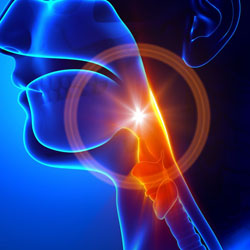
Dysphagia or difficulty in swallowing involves a risk of aspiration or choking when eating.
The patient feels a blockage when trying to swallow and there is a risk that food or drink may enter the airway.
 Eating becomes a problem, which can lead a lack of appetite and a decrease in food intake.
In the most serious situations, dysphagia can affect the respiratory tract and even cause suffocation.
A texture-modified diet can make mealtimes easier for patients with dysphagia.
Swallowing is not usually a conscious effort. It requires the coordination of a great many voluntary and reflex actions.
It is usually described in three stages:
SWALLOWING
1- Oral phase: voluntary
Food is chewed and mixed with saliva to form a bolus. The tongue then moves the bolus toward the back of the mouth.
The contraction of the pharynx begins in the nasopharynx, a step that also requires the voluntary elevation of the soft palate to prevent food from entering the nose.
2- Pharyngeal Phase: an automatic reflex
During the pharyngeal phase, the vocal folds close to keep food and liquids from entering the airway. The larynx rises inside the neck and the epiglottis moves to cover it, providing even more airway protection.
The bolus progresses along the pharynx thanks to the contraction.
Breathing is temporarily inhibited.
3- Oesophageal Phase: reflex
The bolus moves into the oesophagus, the muscular tube that contracts to push the bolus into the stomach.
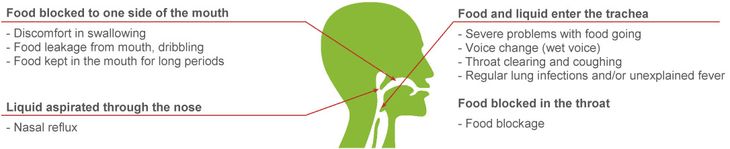
Causes of dysphagia
These troubles can affect over half of stroke patients and up to 80% of Alzheimer’s and neurogenerative disease patients. Some 60% of elderly people have difficulty swallowing and
therefore eating and drinking.
Swallowing issues are frequent in many illnesses. Neurodegenerative diseases, strokes, affections of the ENT area or quite simply lack of muscle strength or dental issues due to old age can all lead to problems with swallowing.
There are two types of dysphagia:
- Oropharyngeal
- Oesophageal
Each type involves characteristic physiopathologies.
Dysphagia is a frequent symptom that can have a variety of causes:
Oropharyngeal dysphagia :
| ENT | Pharyngitis, throat infection Cancer |
| Neurology | Stroke Diseases affecting the central nervous system Head injury Old age |
Oesophageal dysphagia :
| Benign causes | Oesophagitis often due to a gastro-oesphageal reflux (peptic oesophagitis) other causes are rarer: radiation sickness, eosinophils, infections. Medecine, in particular pills swallowed while lying down and with insufficient water. Achalasia (or idiopathic megaoesophagus) and other motor issues in the primitive 3 or secondary oesophagus Zenker’s diverticulum |
| Malignant causes | Malignant causes Epidermoid cancer (often associated with alcohol or cigarette addiction) Adenocarcinoma (sometimes developed onBarrett’s mucosa) |
Source: www.snfge.org
Physiopathology of deglutition
Oral phase:
- Possible difficulty in bolus preparation.
- Possible difficulty in pharyngeal propulsion.
Oropharyngeal phase:
- Possible choking through uncoordinated palatal closure, a problem sealing the larynx or non-inhibition of breathing
- Possible choking through disrupted pharyngeal and sphincteral propulsion: pharyngeal stasis blocking the larynx when breathing recommences.
Oesophageal Phase:
- Possible oesophageal peristalsis defect
- The upper oesophageal sphincter may be insufficiently relaxed
- Possible reflux causing aspiration.
What are the consequences of dysphagia?
These issues vary in severity, from moderate discomfort to a total inability to swallow.
Decrease in the protection of airways => food entering the windpipe => lung infections
Decrease in efficiency of propulsion => food blocked in the mouth or throat => malnutrition, dehydration
The consequences are even more serious in the elderly:
- Risk of malnutrition: lack of appetite, fear of eating and decrease in food intake
- Risk of dehydration: food provides around a litre of water and another litre needs to be provided by drinks
- Anxiety, depression
- Consequences of “going down the wrong way”: inhalation problems, damaged respiratory functions
Warning signs
Warning signs: consult a doctor if you experience one or more of the following:
- Toothache, gum disease, ill-fitting dentures
- Trouble swallowing, very red or very white mouth
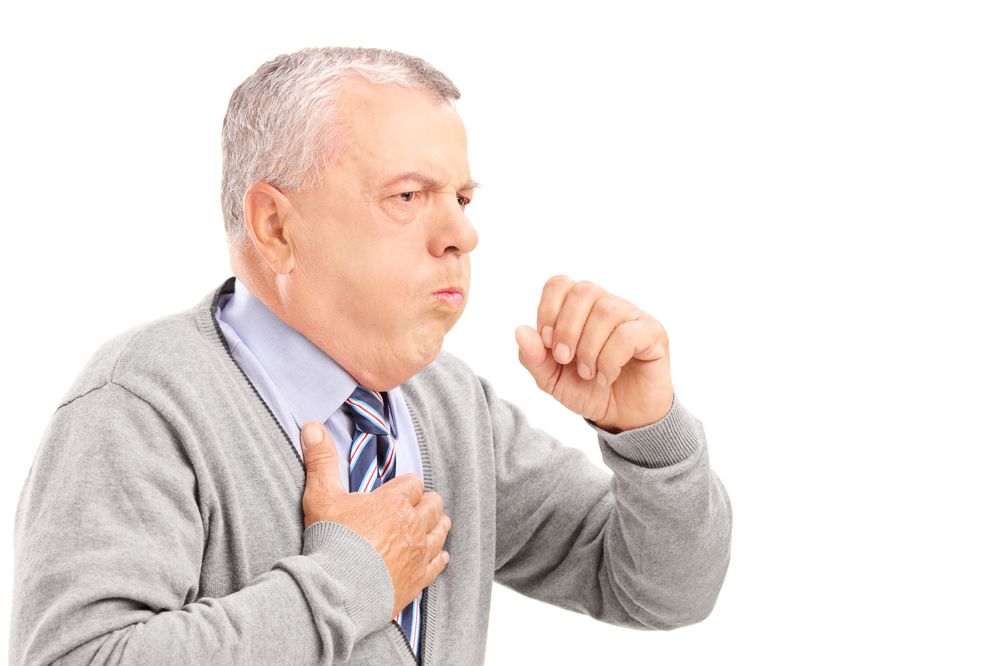
- Coughing during mealtimes
A texture-modified diet can solve this problem, by making food and drink easier to swallow.
SPECIAL PRODUCTS FOR Swallowing difficulties
A wide range of products for specific nutritional problems.
INNOVATING TO MAKE LIFE EASIERFOR YOU
HYDR’INSTANT
Browse our range of instant thickened waters. Gelatine and azo dye free. Thickens water to grades 1 to 3. Available in a sweet version, in multi-portion boxes or individual stick portions, Hydr’Instant comes in an array of flavours to avoid boredom.